
The Gutenberg Block Editor is the writing experience WordPress has been built around since version 5.0 in December 2018. It replaces the legacy "Classic Editor" approach of writing in one rich-text field with a block-based approach: every...


A content management system (CMS) is software that lets users build and manage websites without coding.
The Gutenberg Block Editor is the writing experience WordPress has been built around since version 5.0 in December 2018. It replaces the legacy "Classic Editor" approach of writing in one rich-text field with a block-based approach: every...

WordPress 7.0 shipped in May 2026 as the first major version-number jump since WordPress 5.0 introduced the block editor in late 2018. The release reflects a meaningful shift in priorities: AI moves from an ecosystem plugin afterthought to a first...

What is WordPress? WordPress is an open-source content management system (CMS) that powers websites ranging from personal blogs to enterprise platforms like the White House, TechCrunch, and BBC America. As of May 2026, WordPress runs roughly 43% of...
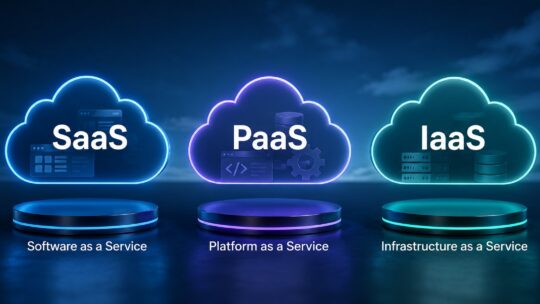
SaaS vs PaaS vs IaaS are the three foundational service models that organize most of cloud computing. Each one represents a different layer of abstraction: how much of the technology stack the cloud provider manages versus how much the customer...

The Drupal 10 features that mattered most when the release landed in December 2022 were less about flashy new capabilities and more about architectural cleanup: a newer Symfony foundation, a higher PHP minimum, modern default themes, the move from...

The Drupal basics every business decision-maker should understand before adopting it: it is free and open source, it is built around a modular architecture, it handles structured content extraordinarily well, it powers some of the most serious...
What is Drupal? Drupal is a free, open-source content management system written in PHP. It powers a meaningful share of the world’s most demanding websites: government portals, university systems, large nonprofit and association sites, multilingual...
A headless CMS is a content management system that separates content management from content presentation. Where a traditional CMS like WordPress, Drupal, or Joomla manages content AND renders the public website in one integrated system, a headless...

What is a CMS? A content management system (CMS) is software that lets you build and manage a website without writing HTML, CSS, or backend code by hand. You author content through a web-based admin interface; the CMS stores the content in a...
What is Joomla? Joomla is a free, open-source content management system written in PHP that occupies a specific niche in the CMS landscape: more flexible than WordPress for sites with non-trivial content models, easier to learn than Drupal, and...
