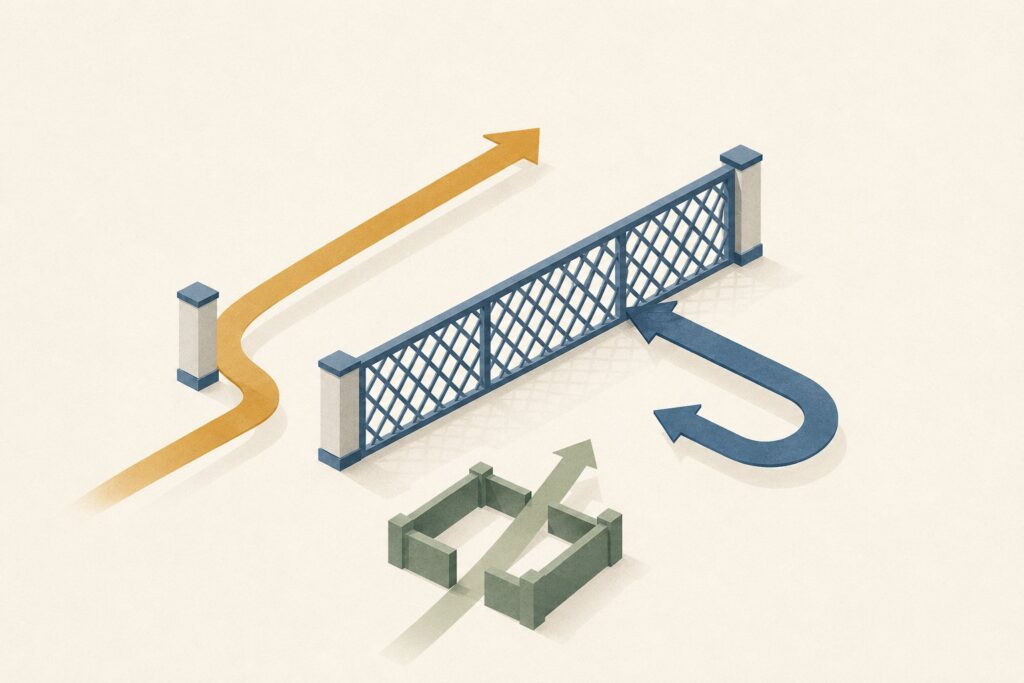

What is a VPN? A VPN (Virtual Private Network) is a technology that creates an encrypted tunnel between a device and a network over an untrusted intermediate network like the public internet. The tunnel makes the device’s traffic look (from...
What is a firewall? A firewall is a network security device or software that monitors traffic between two networks and decides what to allow through based on rules. The classic deployment is at the boundary between a trusted internal network (the...
Data backup strategy is one of those topics where everyone agrees it matters and very few organizations get it right. The shape of the failure is consistent: the backup ran every night, the team assumed it worked, and when restore time came (after a...
Understanding ransomware is no longer optional for any business operator. Ransomware is the category of cyberattack where attackers encrypt a victim’s files and demand payment (usually in cryptocurrency) for the decryption key. Over the past...
Password security basics matter more for small businesses than the marketing for the latest security tools usually suggests. The most expensive security incidents at small organizations rarely come from sophisticated zero-day exploits. They come...
What is multi-factor authentication? Multi-factor authentication (MFA) is a security practice that requires a user to present two or more different types of credentials to verify their identity before being granted access to an account, application...
Zero Trust security is the framework that has gradually replaced the traditional "trusted internal network" model across enterprise security thinking since NIST published SP 800-207 in August 2020. The core idea is simple: never trust...
What are phishing attacks? Phishing attacks are social-engineering scams in which an attacker impersonates a trusted entity (a bank, employer, vendor, government agency, or colleague) to trick a victim into surrendering credentials, money, or...
Social engineering attacks are the category of cyberattack where the target is a person rather than a technical system. The attacker manipulates the target into surrendering information, granting access, or taking an action that compromises security...