
If you have spent any time around modern AI tools, you have probably noticed something odd. A general model can go from mediocre to genuinely useful at a narrow task the moment you hand it the right set of instructions. That packaged bundle of instructions and know-how has a name. AI skills are modular, reusable capabilities that let a model or agent do a specific task well, loaded on demand rather than baked permanently into the model itself.
The idea matters because it changes how we make AI useful. Instead of retraining a model or stuffing every possible instruction into a single prompt, you give it a skill when the task actually calls for one. This 101 walks through what a skill is, what goes inside one, how it differs from tools and connectors, why the load-on-demand design is the whole point, and where the honest limits sit.
What AI skills are
An AI skill is a modular, reusable package of capability and know-how that lets an AI model or agent do a specific task well. The important word is package. A skill is not a new model and it is not a permanent change to an existing one. It is a self-contained unit that the model reads and follows when the task in front of it matches what the skill is for.
Think of it the way you might think of a well-written checklist paired with the reference material a specialist keeps on hand. The model already knows how to read and reason. The skill supplies the specific procedure, the conventions, and sometimes the exact files or scripts needed to carry a task out correctly. When the task is done, the skill can step back out of the picture.
This is what people mean when they say a skill turns a general model into a specialist without retraining or fine-tuning. Fine-tuning changes the model’s weights and is expensive, slow, and hard to reverse. A skill sits outside the model and can be added, edited, or removed like a document. That difference is most of the appeal.
What goes inside a skill
A skill typically bundles two kinds of things. The first, and the part that always exists, is a set of procedural instructions: how to do the task, step by step, in the order that works. The second, which is optional but common, is supporting material. That can include small scripts the model can run, reference files it can consult, templates, examples, or data the task depends on.
In Anthropic’s Claude Skills, for instance, a skill is simply a folder that holds an instructions file plus any optional scripts and assets. That folder-based shape is worth noticing because it makes a skill easy to inspect, version, and share. There is no black box. You can open the folder and read exactly what the model will be told to do.
The instructions are the heart of it. A skill with vague or wrong instructions produces vague or wrong work, no matter how capable the underlying model is. A skill with clear, specific, well-ordered instructions can lift performance on a fiddly task considerably. The supporting scripts and files matter too, but they are in service of that core procedure.
Progressive disclosure: loading skills on demand
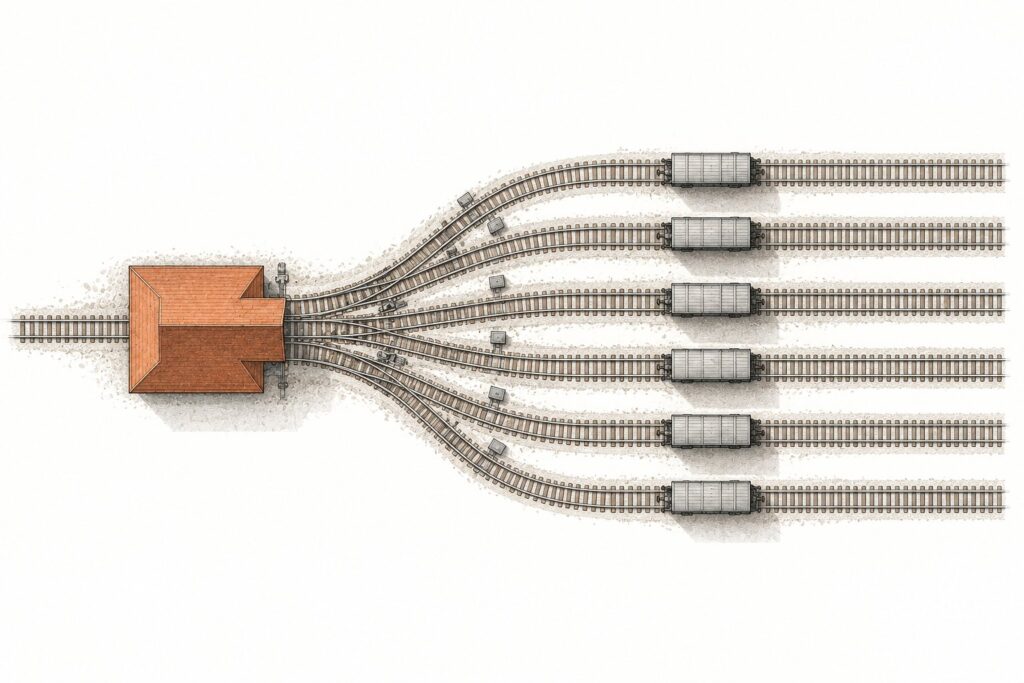
The design principle that ties skills together is progressive disclosure. The agent loads a skill only when it is relevant to the task at hand, rather than holding every instruction in mind at all times. This keeps the working context lean.
Context is a real constraint. A model has a limited window of text it can attend to at once, and every instruction you pour into that window competes for attention with everything else. If you tried to preload the procedures for fifty different tasks into a single prompt, you would crowd out the actual work and often confuse the model about which rules apply. Progressive disclosure avoids that. The bulk of a skill stays out of the way until a relevant task appears, at which point the agent pulls it in, follows it, and moves on.
This is also why skills scale better than ever-growing prompts. Adding a fifty-first skill does not bloat every future conversation. It sits in the library, dormant, until something calls for it. The trade is that the system now has to decide when a skill is relevant, which is its own challenge and one we will return to under the limits.
Skills versus tools and connectors
Skills are easy to confuse with two neighboring ideas, so it helps to draw the lines clearly.
A tool, sometimes called a function call, is a callable function the model can invoke to make something happen: run a calculation, query a database, send a request. A skill, by contrast, is packaged procedure and know-how the model reads and follows. The distinction is doing versus knowing how. A tool executes; a skill instructs. Importantly, a skill may itself use tools as part of its procedure, so the two are not rivals.
Connectors are a third piece. Through mechanisms such as the Model Context Protocol, connectors bring in outside data and actions, wiring an agent to a service so it can see and touch real information. A connector supplies access. A skill supplies procedural knowledge. They compose: a connector might grant an agent access to a document store, while a skill tells the agent how to process those documents correctly. Understanding this division matters if you are working with AI agents, because a capable agent usually stitches all three together rather than relying on any one.
The short version: connectors are about reach, tools are about action, and skills are about method. None of them replaces the others.
Where you will see skills in practice
The clearest current example is Anthropic’s Claude Skills, where a skill is that folder of instructions plus optional scripts and assets. Similar ideas show up across the broader landscape of agent frameworks, which increasingly treat reusable, packaged procedures as a first-class building block rather than an afterthought. If you are evaluating how one of these systems is put together, it is worth reading up on what an AI agent development framework provides, since skills tend to slot into a larger structure of memory, tools, and orchestration.
Plugin systems push the idea one step further. Something like Claude Cowork plugins bundles skills together with connectors and sub-agents into a single installable package, so that adding a plugin brings the procedures, the data access, and the helper agents all at once. That is a useful mental model for where skills fit: they are one component in a kit, valuable on their own but more powerful when composed with the pieces around them.
Treat these as illustrations rather than endorsements. Implementations differ in their details, naming, and capabilities, and the field is moving quickly. The concept, a modular unit of procedural know-how loaded on demand, is the durable part.
Benefits and honest limits
The benefits follow directly from the design. Skills are reusable, so you write a good procedure once and apply it repeatedly. They are shareable, because a self-contained folder is easy to hand to a colleague or publish. They are composable, snapping together with tools and connectors and with other skills. They are portable, moving across projects without dragging a whole model along. And they keep context small, which is the progressive-disclosure payoff.
The limits are just as real, and worth stating plainly.
- Instructions are everything. A skill is only as good as its instructions. Sloppy procedures produce sloppy results, and the polish of the underlying model will not save a badly written skill.
- More is not always better. Too many skills can bloat or confuse an agent. A sprawling library raises the odds that the wrong one fires or that several overlap in ways that muddy the work.
- Discovery matters. The system has to recognize when a given skill is relevant and load it at the right moment; when that matching fails, the skill may as well not exist.
- No new abilities from nowhere. A skill cannot exceed the model’s actual capability. If the base model genuinely cannot perform a task, no amount of instruction packaging conjures the ability from thin air.
Frequently Asked Questions
What is an AI skill in simple terms?
An AI skill is a modular, reusable package of instructions and know-how that lets an AI model or agent do a specific task well. It is loaded on demand when a relevant task appears, rather than being permanently built into the model.
How is a skill different from a tool or function call?
A tool is a callable function the model can invoke to make something happen, such as running a query. A skill is packaged procedure and know-how the model reads and follows. A skill can use tools as part of its steps, so they work together rather than competing.
How are skills different from connectors?
Connectors, for example through the Model Context Protocol, bring in outside data and actions and give an agent reach into a service. Skills bring procedural knowledge, telling the agent how to do the task. They compose: connectors supply access, skills supply method.
Do skills require retraining or fine-tuning the model?
No. That is a large part of their appeal. A skill sits outside the model and can be added, edited, or removed like a document, turning a general model into a task specialist without changing its underlying weights.
What is progressive disclosure?
Progressive disclosure is the principle that an agent loads a skill only when it is relevant to the current task. This keeps the working context lean instead of forcing every possible instruction into every prompt, which helps the system scale as the skill library grows.
What actually goes inside a skill?
A skill always includes procedural instructions describing how to do the task. It often also bundles supporting material such as small scripts, reference files, templates, or examples. In some implementations a skill is simply a folder holding an instructions file plus optional scripts and assets.
What are the main limits of AI skills?
A skill is only as good as its instructions, too many skills can bloat or confuse an agent, reliably discovering and triggering the right skill is a real challenge, and a skill cannot exceed the underlying model’s actual capability. It focuses what a model can do; it does not add ability that was never there.