
WordPress + ACF in CI/CD: Using `wp acf json` in Deployment Pipelines
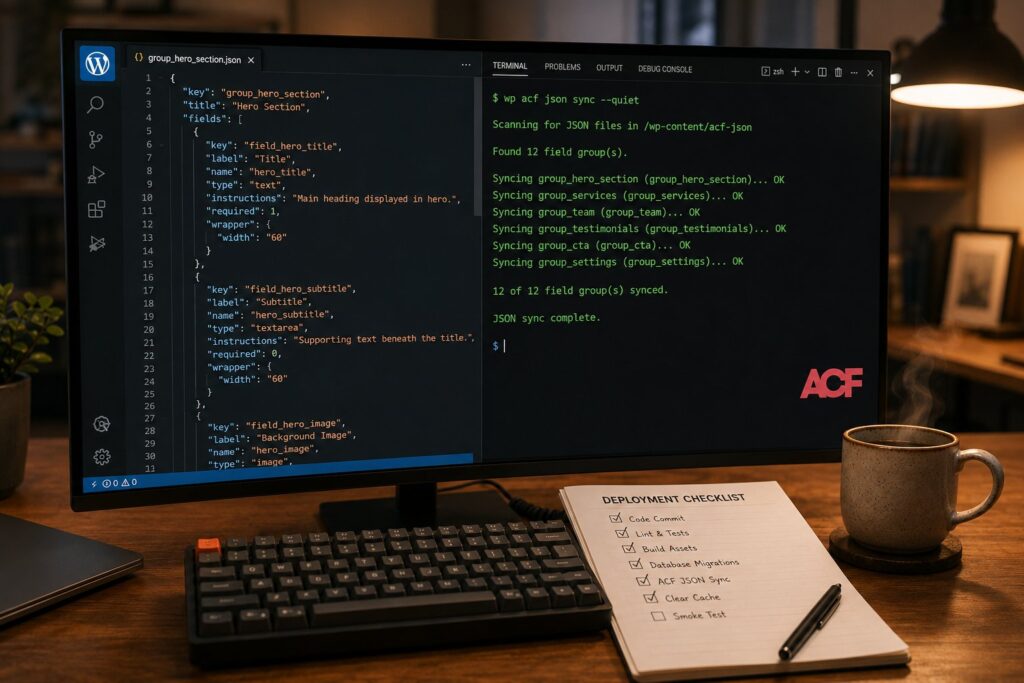
WordPress and ACF have a long history of operational pain around environment consistency. Field groups created on a developer’s local site need…
WordPress is the most widely-used content management system, powering approximately 40% of all websites.
WordPress and ACF have a long history of operational pain around environment consistency. Field groups created on a developer’s local site need…
WordPress 7.0 ships a small feature with outsized practical impact: per-breakpoint visibility controls on individual blocks. The capability lets a site editor…
The WordPress revisions system has been a quietly essential feature since WordPress 2.6 in 2008. Every post change creates a revision; revisions…
A WordPress backup is one of the largest exfiltration targets on any site. A full backup contains the database (which holds user…
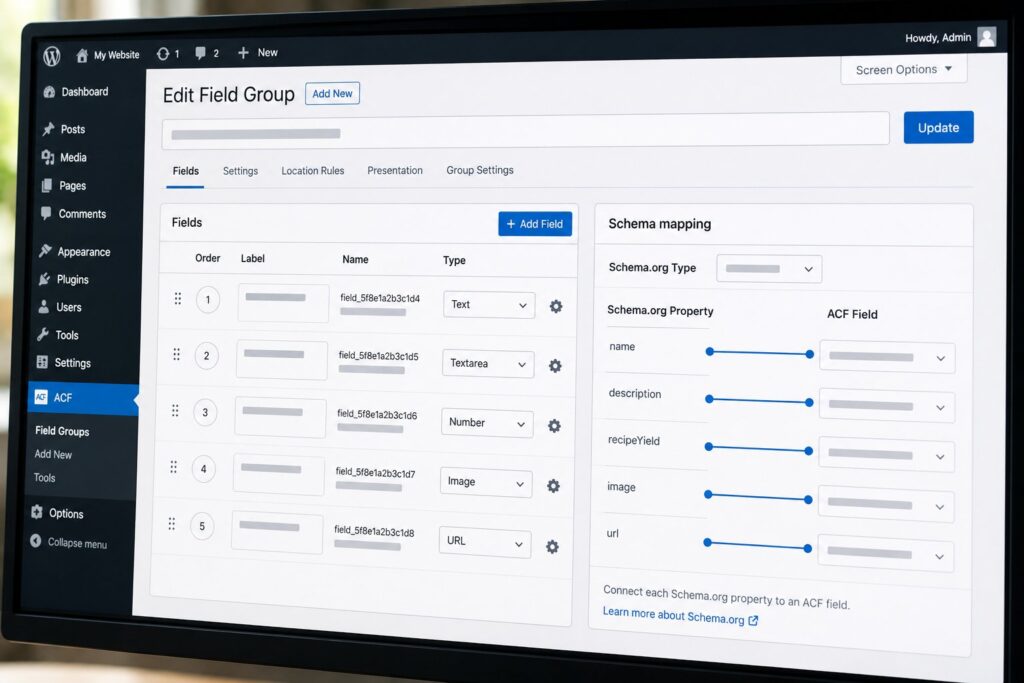
ACF 6.8, released in April 2026, added a Schema.org mapping pane to field groups. The pane lets a developer declare which Schema.org…
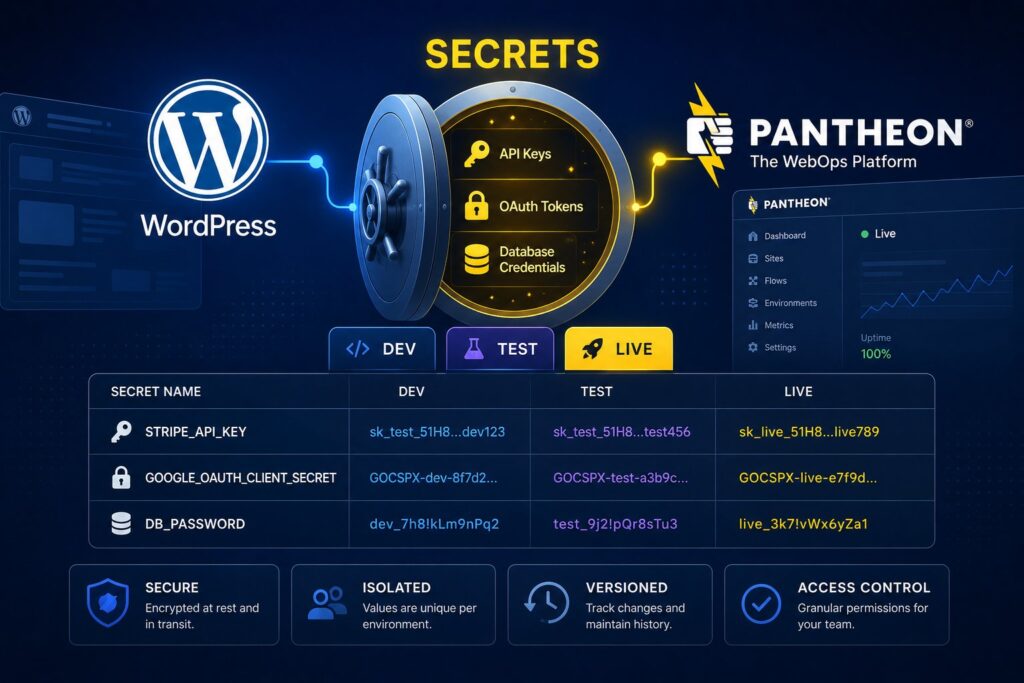
Pantheon Secrets is the credential-management feature that Pantheon-hosted WordPress sites use to store API keys, OAuth tokens, database credentials, encryption keys, and…
WordPress 7.0 changed how block patterns work in a way that is small in the underlying code but large in its effect…
The WordPress 7.0 release made the platform’s first official AI integration layer a core feature rather than a plugin concern. Most of…
The WordPress 7.0 Connectors API is a meaningful architectural step forward: it gives WordPress core a standardized place to register and authenticate…
WordPress 7.0 shipped in May 2026 as the first major version-number jump since WordPress 5.0 introduced the block editor in late 2018.…