IT Infrastructure

What Is Virtualization? VMs and Hypervisors, Explained
For decades, running a single application often meant buying a whole physical server to host it, then watching most of that hardware…

Hardware is the physical layer of IT infrastructure: servers, workstations, laptops, networking equipment, storage systems.
For decades, running a single application often meant buying a whole physical server to host it, then watching most of that hardware…
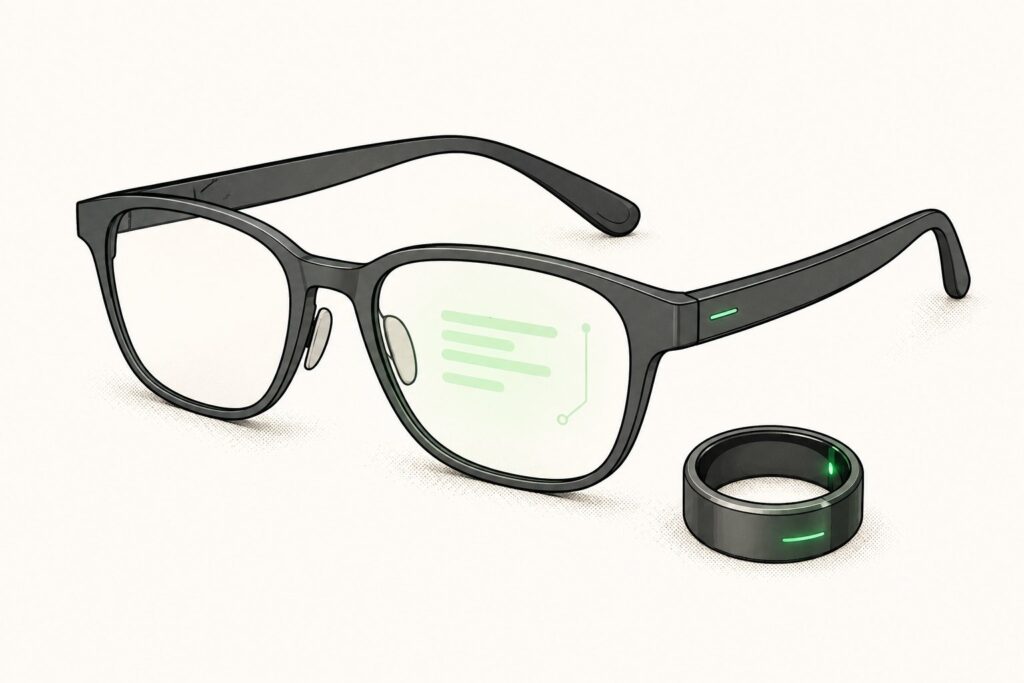
The Even Realities G2 is a pair of display smart glasses that takes the opposite approach to most of the category: no…
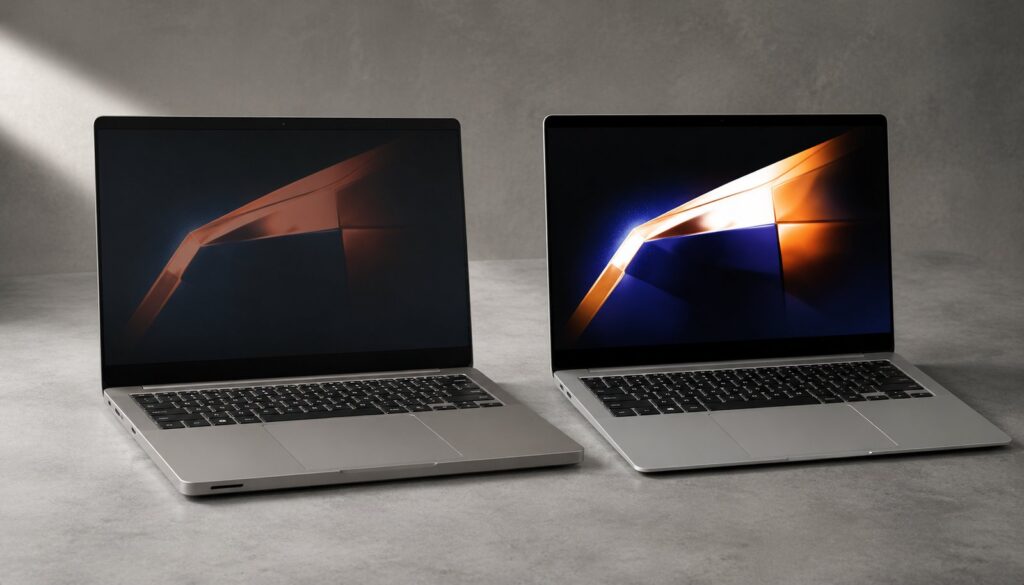
The Galaxy Book6 Pro is the biggest year-over-year change Samsung has made to its flagship thin-and-light in a while. It swaps the…
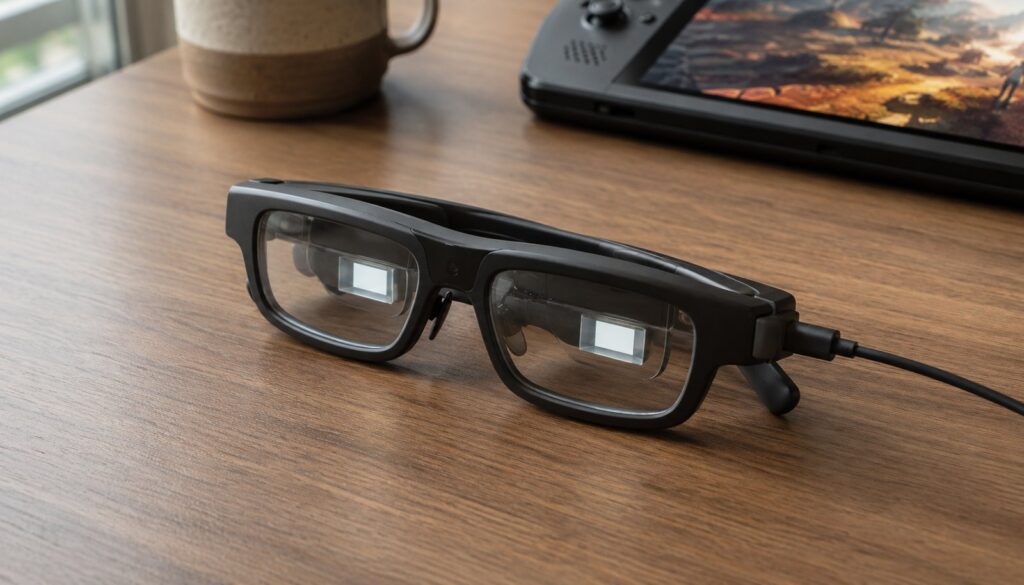
AR glasses are wearable displays that float a large, private screen in front of your eyes while you still see the room…
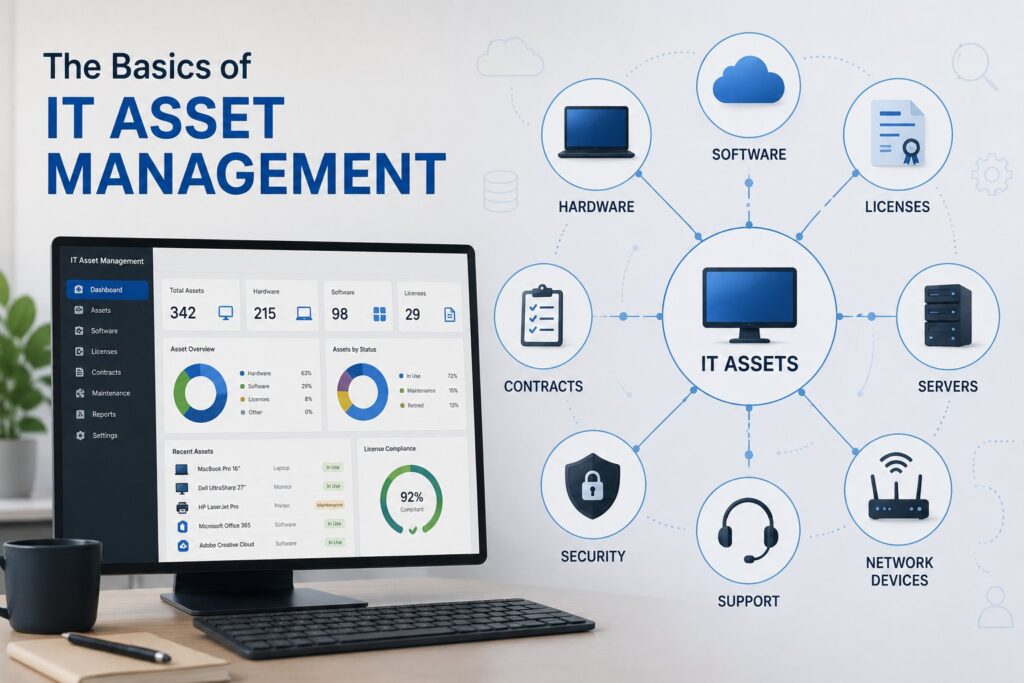
IT asset management (ITAM) is the discipline of knowing what hardware, software, and licenses your organization owns, where they are, who has…
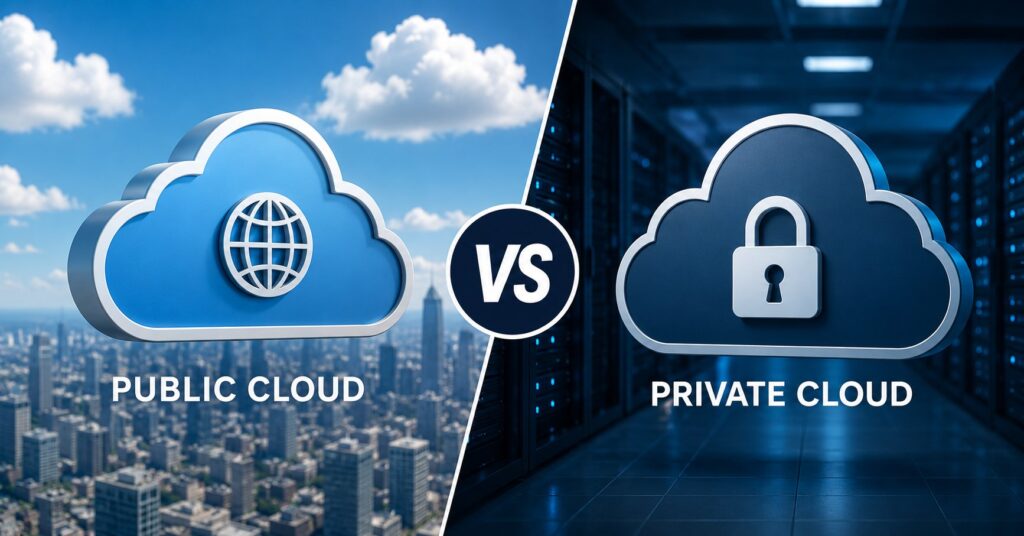
Public vs private cloud is one of the foundational distinctions in cloud computing, and it’s a question that comes up early in…
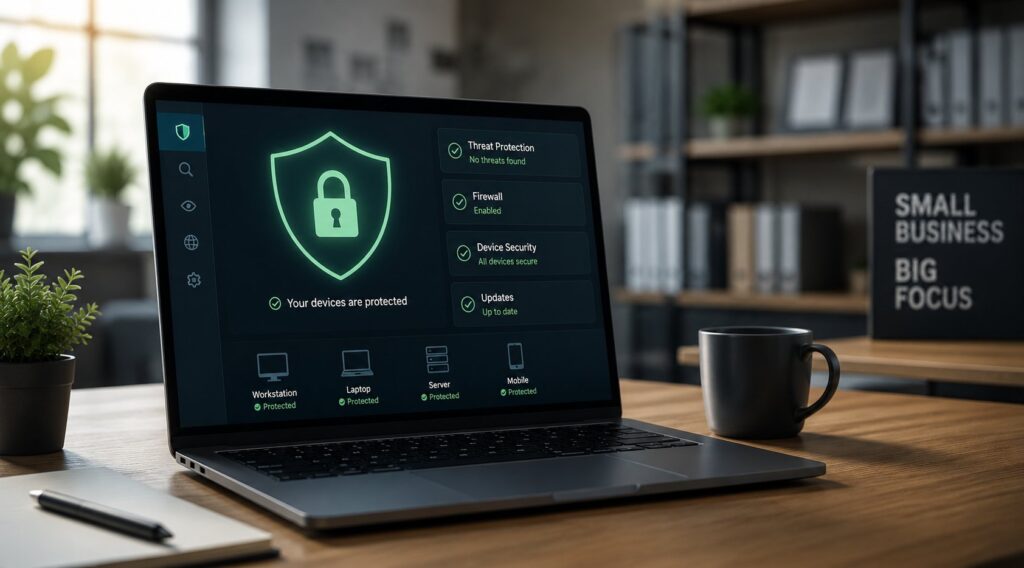
Endpoint security is the discipline of protecting the devices employees actually use to do their work: laptops, desktops, smartphones, tablets, and sometimes…
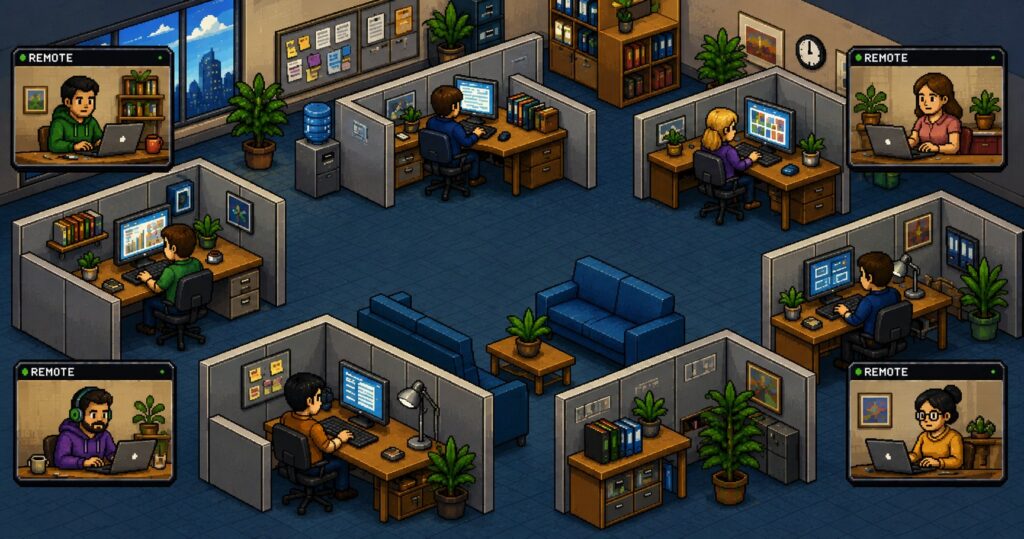
Hybrid work IT is the operational discipline of supporting employees who split their time between remote work and in-office work. The category…
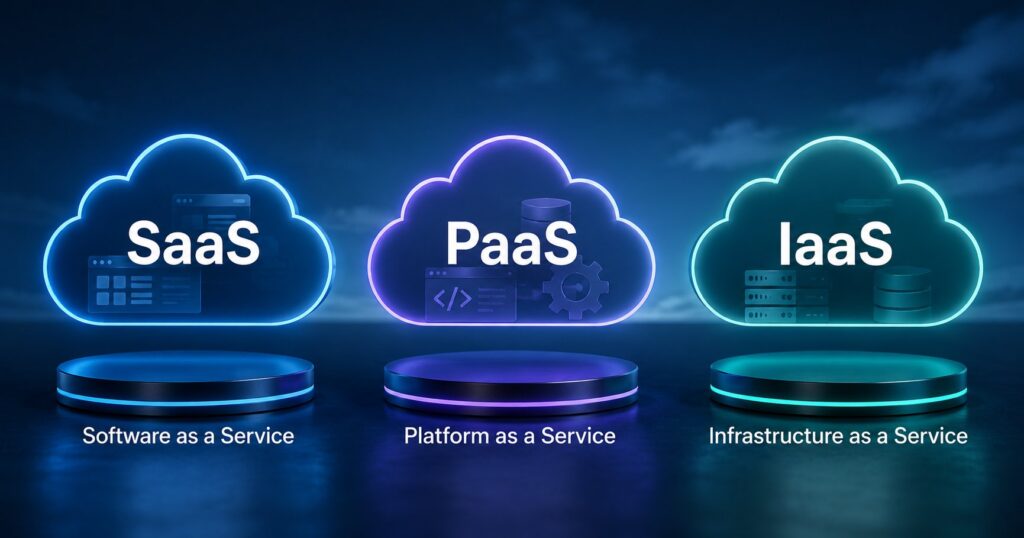
SaaS vs PaaS vs IaaS are the three foundational service models that organize most of cloud computing. Each one represents a different…
What is cloud computing? Cloud computing is the on-demand delivery of computing resources (storage, processing power, databases, applications, networking) over the internet…