Web Design

WordPress 7.1: What Actually Shipped, and What We Got Wrong
A week ago we told you WordPress 7.1 would arrive without the two AI capabilities everyone had attached to it, and promised…

WordPress 7.0 shipped in May 2026 as the first major version-number jump since WordPress 5.0 introduced the block editor in 2018. Headline changes include AI Foundations and the Connectors hub, patterns as single blocks, a visual revisions timeline, responsive block visibility, and the font library extended to all themes.
A week ago we told you WordPress 7.1 would arrive without the two AI capabilities everyone had attached to it, and promised…

The WordPress 7.1 AI Client has been described everywhere as the release that brings streaming and embeddings to WordPress. The release lands…
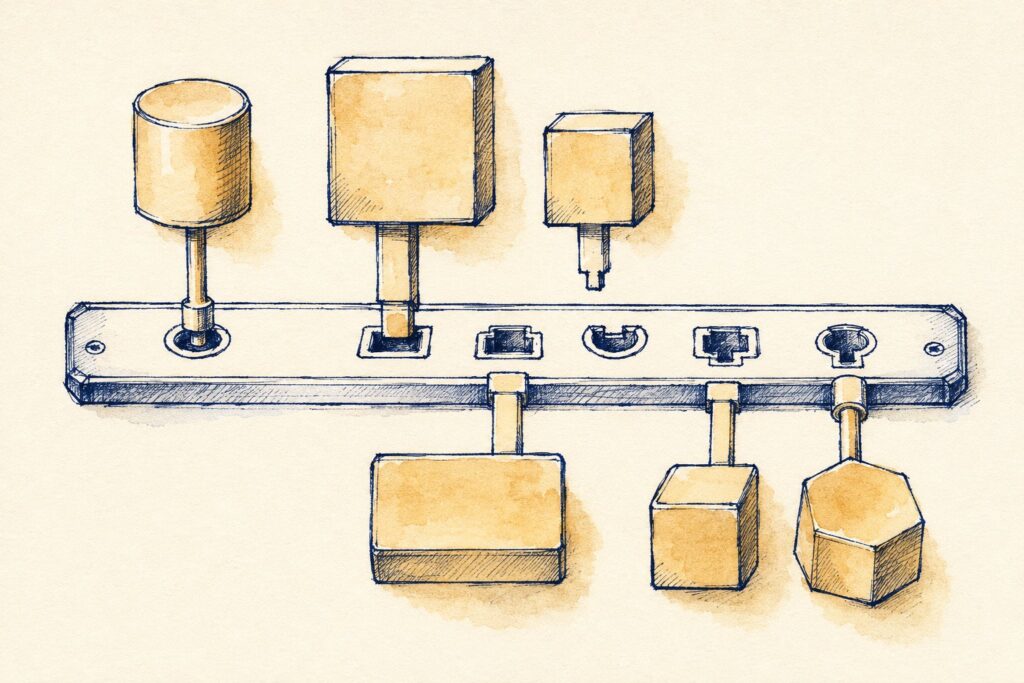
The WordPress Abilities API is a core registry that lets plugins, themes, and WordPress itself declare what they can do in a…
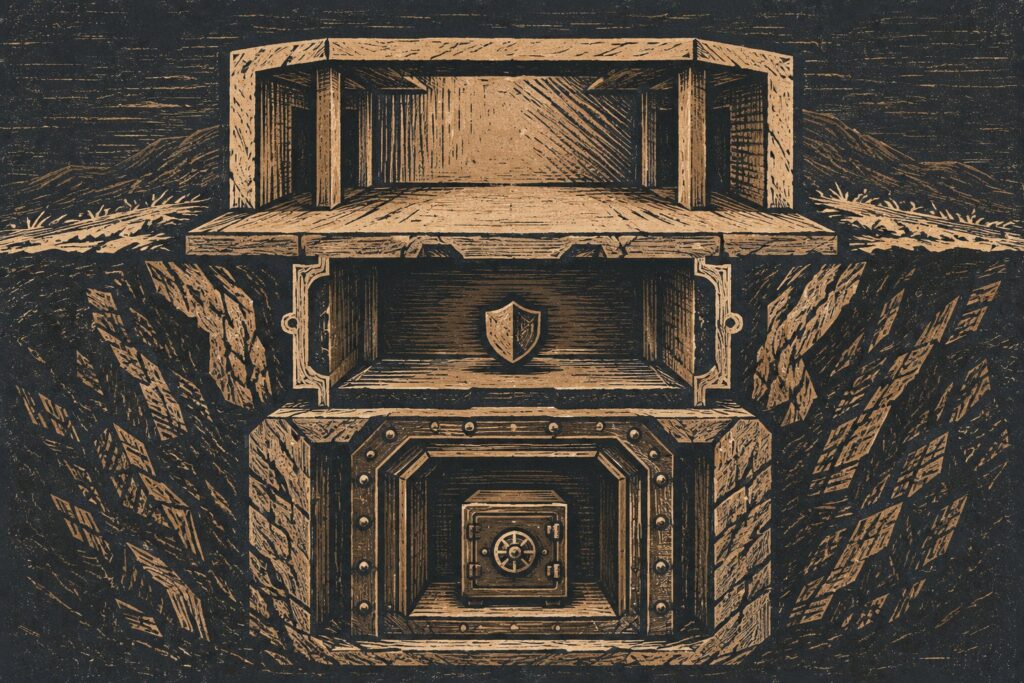
Encryption at rest for the WordPress Connectors API is the security improvement a lot of people assumed would arrive with WordPress 7.0,…
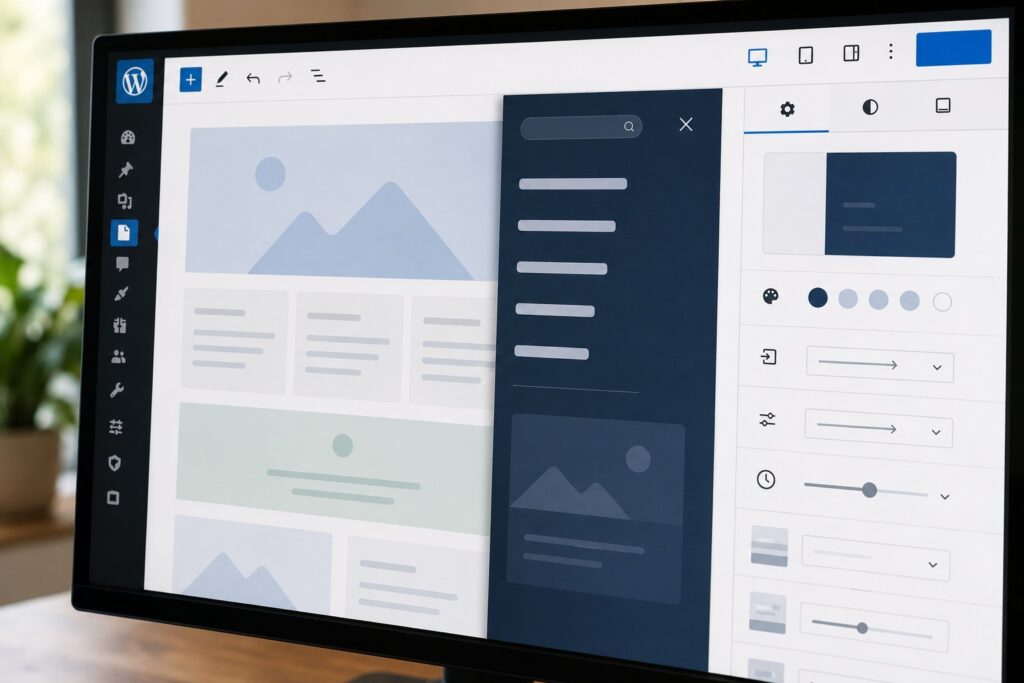
WordPress 7.0 redesigned the Navigation block’s mobile menu behavior into a more general "navigation overlay" surface that handles both mobile and desktop…
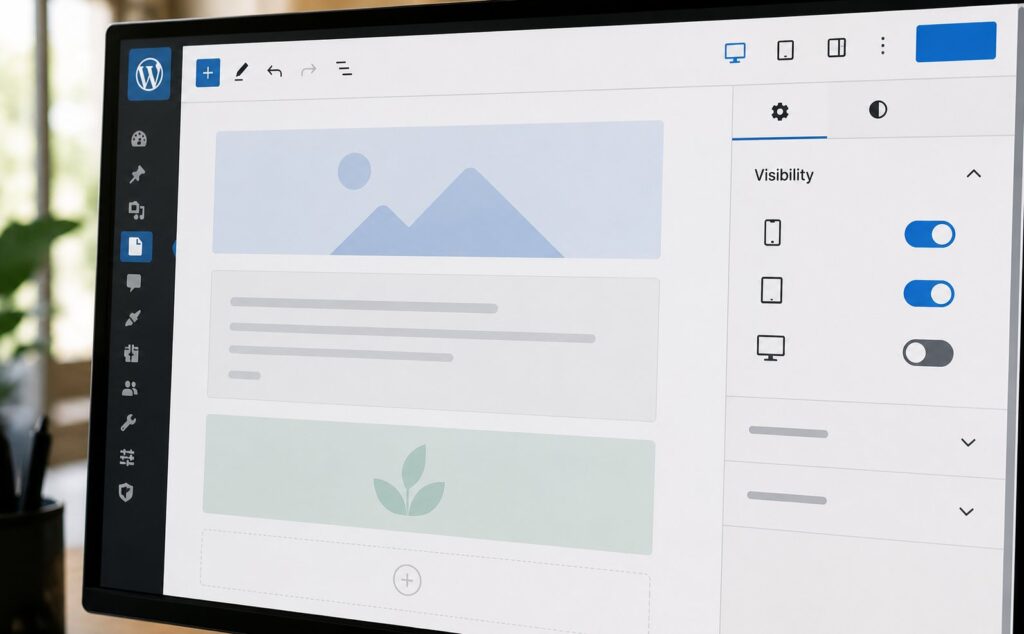
WordPress 7.0 ships a small feature with outsized practical impact: per-breakpoint visibility controls on individual blocks. The capability lets a site editor…
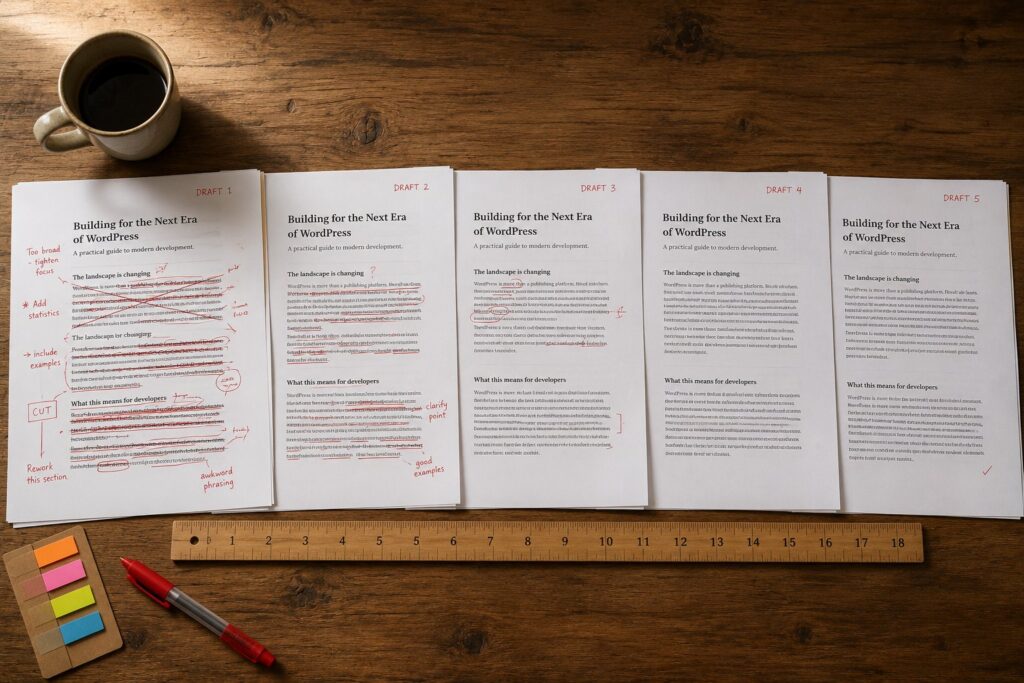
The WordPress revisions system has been a quietly essential feature since WordPress 2.6 in 2008. Every post change creates a revision; revisions…

WordPress 7.0 changed how block patterns work in a way that is small in the underlying code but large in its effect…
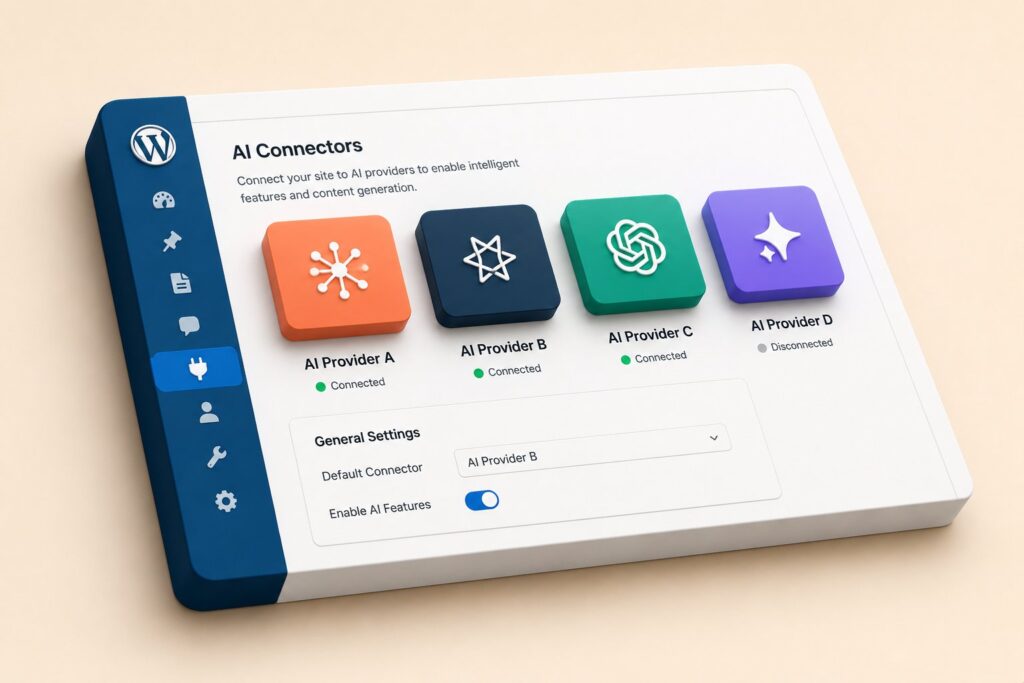
The WordPress 7.0 release made the platform’s first official AI integration layer a core feature rather than a plugin concern. Most of…
The WordPress 7.0 Connectors API is a meaningful architectural step forward: it gives WordPress core a standardized place to register and authenticate…