Web Design

ACF 6.8 vs Older ACF Versions: What Changed and When to Upgrade
ACF 6.8 is the largest functional release in the ACF 6.x line, shipping in 2026 with several substantial additions that change what…

WordPress is the most widely-used content management system, powering approximately 40% of all websites.
ACF 6.8 is the largest functional release in the ACF 6.x line, shipping in 2026 with several substantial additions that change what…

wp2shell is the name given to a pair of chained vulnerabilities in WordPress core that together let an unauthenticated attacker run code…

WordPress secrets have historically lived in places that any security review would flag: the WordPress options table, plugin-specific tables, individual user meta…

WordPress 7.0 redesigned the Navigation block’s mobile menu behavior into a more general "navigation overlay" surface that handles both mobile and desktop…
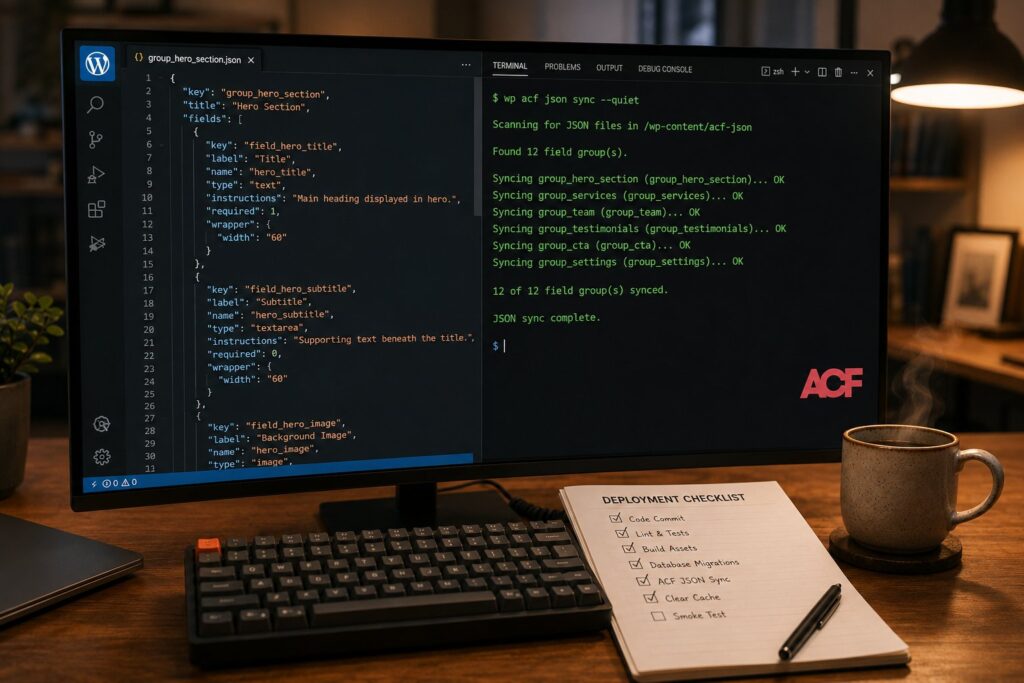
WordPress and ACF have a long history of operational pain around environment consistency. Field groups created on a developer’s local site need…

WordPress 7.0 ships a small feature with outsized practical impact: per-breakpoint visibility controls on individual blocks. The capability lets a site editor…

The WordPress revisions system has been a quietly essential feature since WordPress 2.6 in 2008. Every post change creates a revision; revisions…

A WordPress backup is one of the largest exfiltration targets on any site. A full backup contains the database (which holds user…
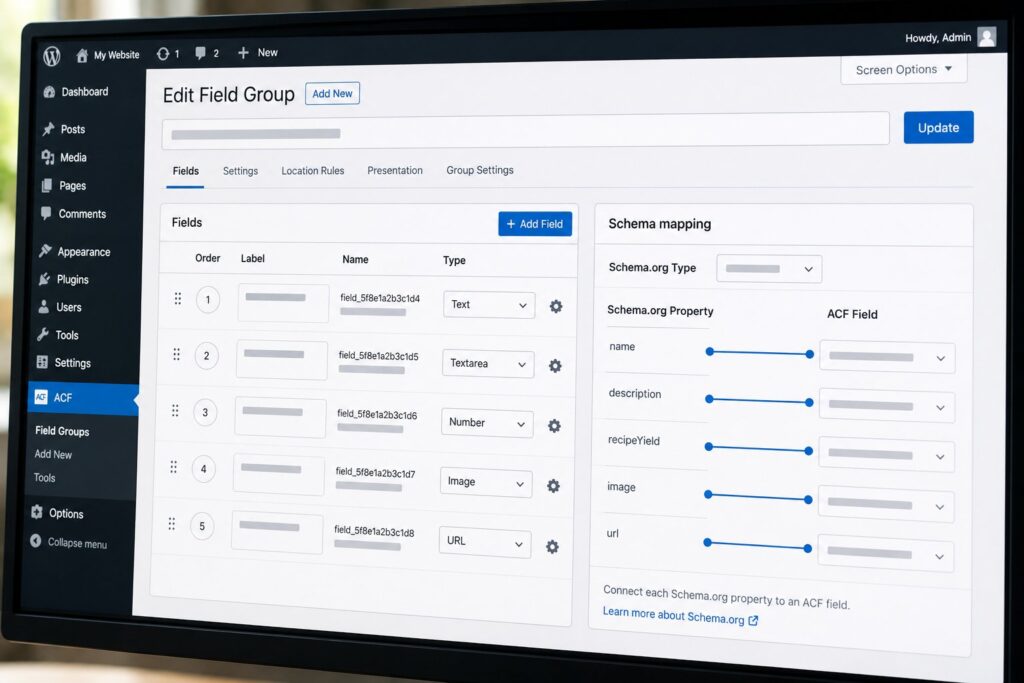
ACF 6.8, released in April 2026, added a Schema.org mapping pane to field groups. The pane lets a developer declare which Schema.org…
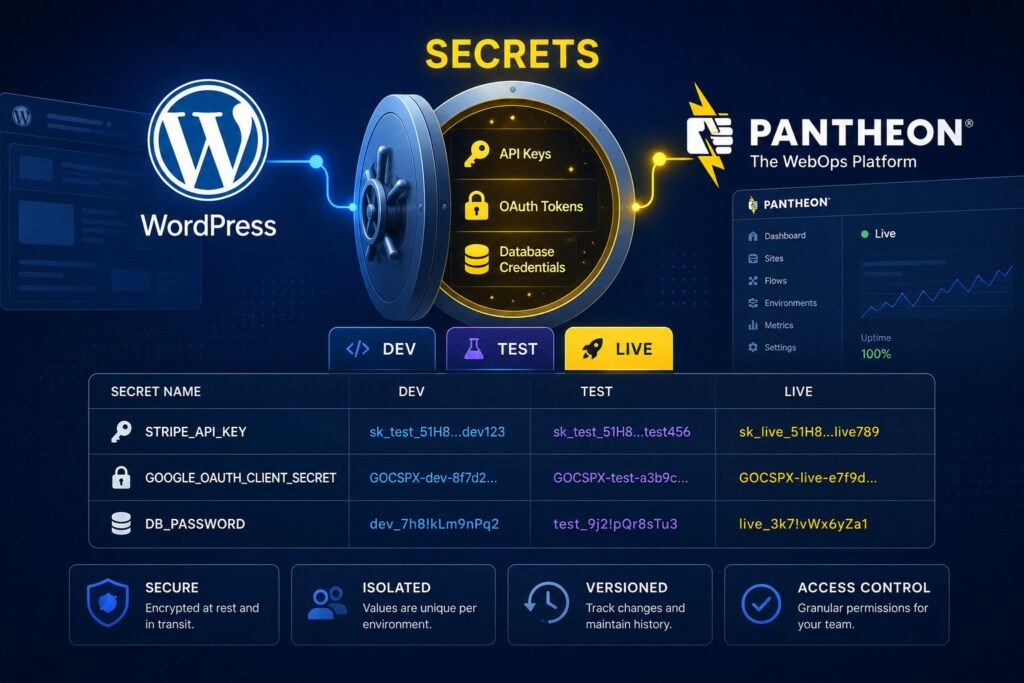
Pantheon Secrets is the credential-management feature that Pantheon-hosted WordPress sites use to store API keys, OAuth tokens, database credentials, encryption keys, and…